
TMJ Management
Have you ever known someone who experiences sore jaws, difficulty eating hard foods, or jaw mobility issues sometimes accompanied by cracking or locking? It can be miserable to live with and difficult to get answers to. When the upper arch doesn't fully develop, it can trap the lower jaw behind it. Additionally, retractive orthodontic techniques can create or exacerbate these issues. This situation leads to jaw muscle tension, essentially creating a tug-of-war between different muscle groups. Some muscles aim to maintain jaw function where the teeth meet for chewing, while others strive for stability in the TMJ and better airway space.
What is TMJ dysfunction?
Treatment of TMJ Disorders
To manage TMJ pain, we focus on opening up space within the joint to prevent compression. We use a machine called the K7 to evaluate the TMJ and associated pain patterns. This simple, non-invasive system provides valuable insights into jaw muscle function and the positions of the jaw during various activities such as chewing, swallowing, opening, and closing.
By understanding the complex relationship between the teeth, TMJ, and muscles, we can create a more personalized treatment plan. We manage TMJ with removable appliances that can offer relatively quick relief. These appliances are custom made and have material on the surface of the teeth that open up the bite, much like a splint used to manage TMJ symptoms.
If arch development is indicated the goal is that space is created for the lower jaw to function in harmony with all the muscles, easing tension and discomfort. Following appliance treatment, clear aligners or braces are used to maintain the forward development and straighten the teeth and bite. This approach allows the lower jaw to function freely, reducing compression on the TMJ and relaxing the associated muscles, easing pain and discomfort. Improving the TMJ space can also help reduce tinnitus, ear fullness, vertigo and other ear-related symptoms, by effectively opening up the joint and reducing inflammation that can affect the ears.
We understand how difficult it can be to manage pain and find answers to improve TMJ issues, call us today to evaluate your muscles and help you on your way to finding the answers you need!
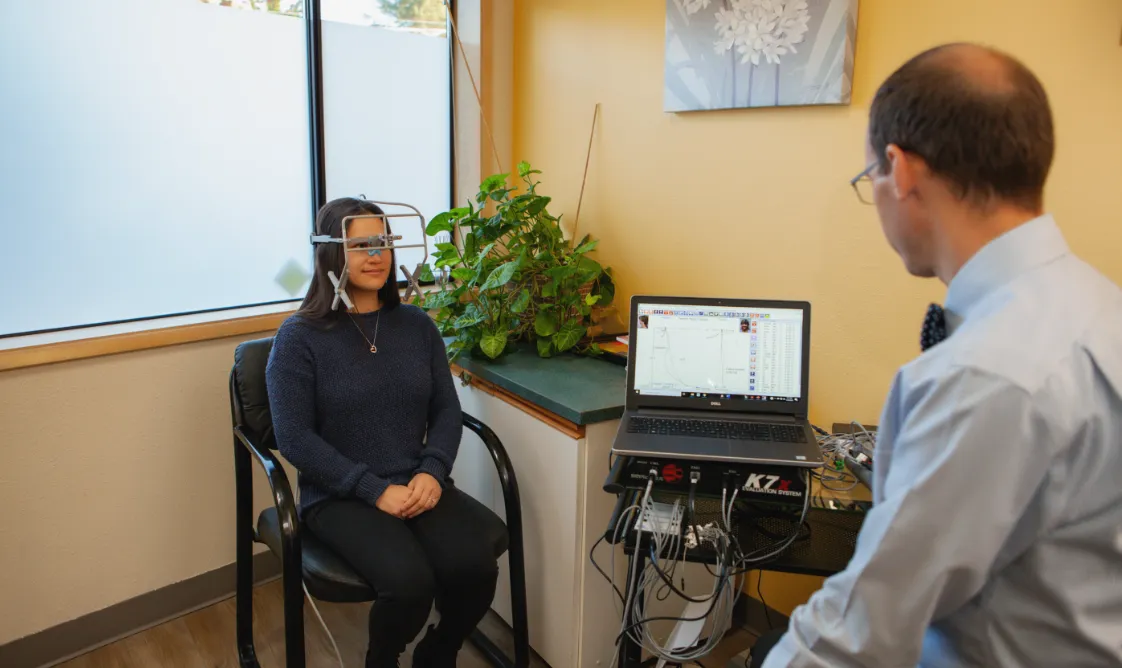
Dr. Tanner doing a K7 evaluation. This evaluates the movement of the jaw and helps to diagnose and treat jaw disorders and TMJ Dysfunction.
Discover How Arch Development at The Airway Center is Changing Lives
Katie Guidotti

"My sleep and breathing have already improved so I really feel the benefit already which is rewarding."
Anonymous
" We saw a lot of crowding and assumed braces were the only way to go, we had two or three consultations and most of them wanted to pull teeth before braces, my mother bear instinct didn't want that to happen his teeth were healthy there was no reason to pull them out....we didn't need to pull anything! "
Al Borromeo ( Dentist)
" Dentists need to know that there are other options out there as opposed to pulling teeth."
Grateful Patient
" My smile is so much wider and I have more definition in my jaw line that others are noticing, but most importantly my daily headaches are gone because my jaw is relaxed!"
*Individual results vary and are not typical. Patient statements reflect personal experience and are not a promise of outcomes. Orthodontic appliances are used for orthodontic purposes. Sleep and breathing concerns should be evaluated by the appropriate medical provider.
The Airway Center
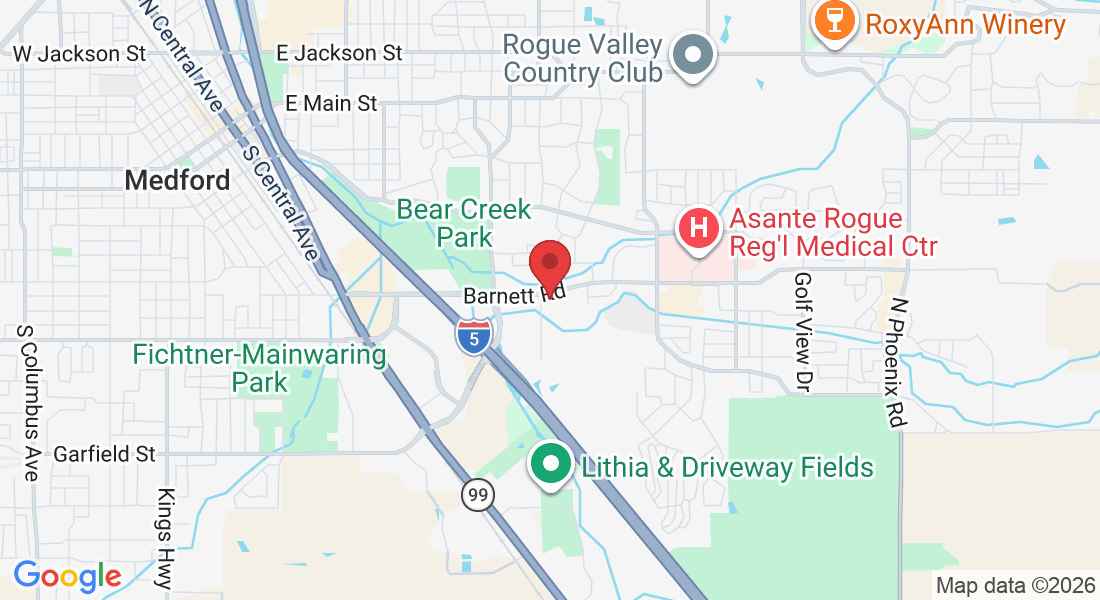
1840 E. Barnett Rd Suite B
Medford, OR 97504ress:
Phone Number:
(541)955-4519
We're excited to share our expertise and training, empowering patients and providers worldwide to transform lives!
Smile Development with Function in Mind.
All logos and marks are protected per their respective companies. Copyright 2024 Doctor Nathan Tanner, DMD, LLC., AirwayCenter.com. All Rights Reserved.
*Information on this site is general and educational and is not a diagnosis, treatment recommendation, or guarantee of results. Orthodontic appliances described here are used for orthodontic purposes. Obstructive sleep apnea is a medical condition that requires diagnosis by a qualified provider. Oral appliance therapy for obstructive sleep apnea is provided using FDA cleared devices in coordination with the treating physician.